
Northern Wheatear Migration Through Portugal
The Northern Wheatear (Oenanthe oenanthe) is a beautiful songbird that executes one of the most structurally demanding migrations in the avian world. While a tiny, fragmented population breeds in the high-altitude rocky crags of northern Portugal (such as Serra da Estrela), the country’s primary ecological role is serving as a vital stopover corridor for millions of passage birds traveling between the Arctic and sub-Saharan Africa.
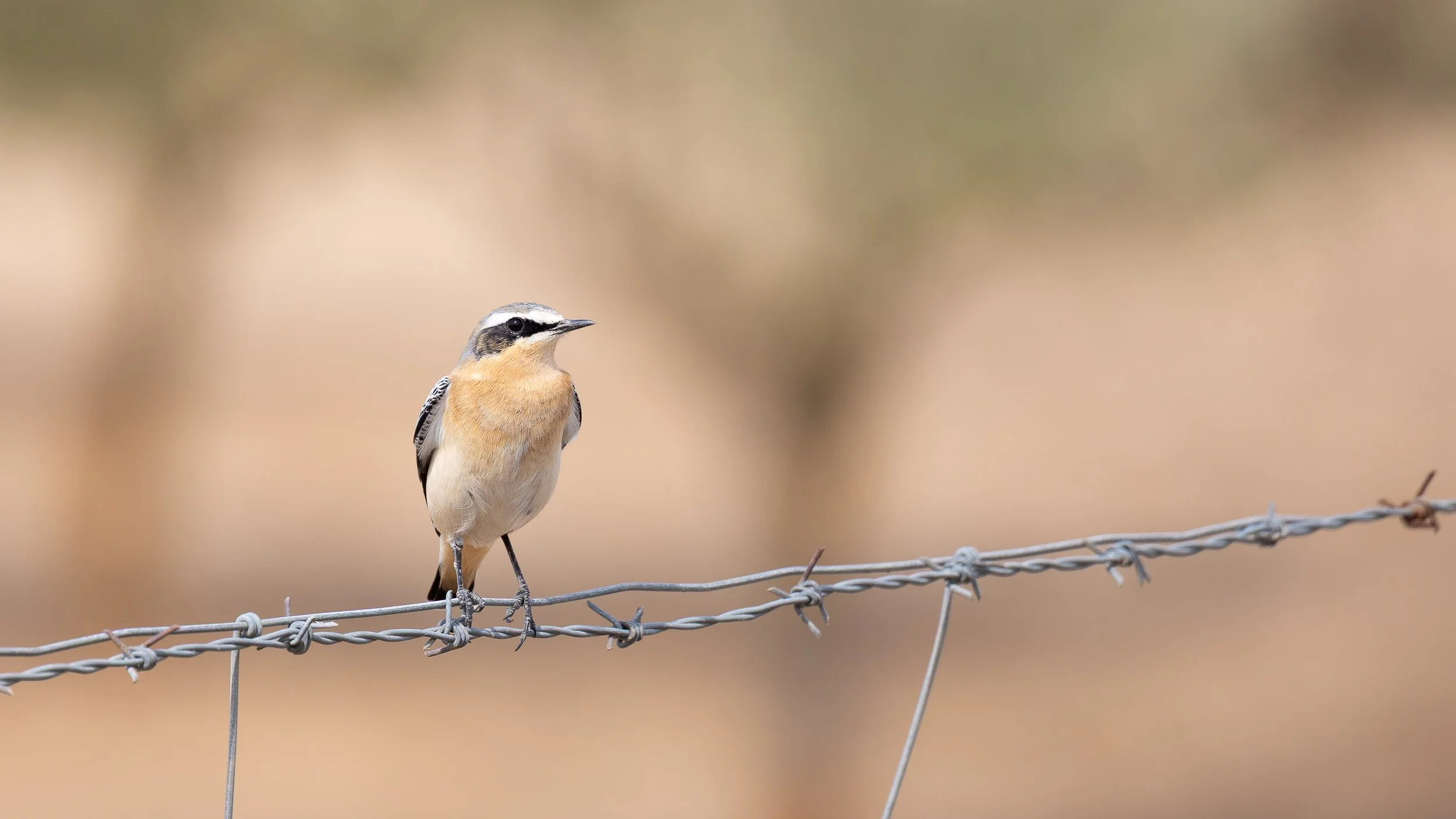
The migration is highly seasonal, characterized by a sharp influx of birds rather than a trickle:
Late August: The initial arrival of early European migrants, mostly juveniles.
Mid-September to Early October: The peak migration window. Heavy autumn weather systems over the Atlantic frequently trigger "falls," where massive numbers of exhausted Greenland wheatears drop out of the sky onto Portuguese shores simultaneously.
Late October: The passage rapidly tapers off as the last waves depart across the Mediterranean.
Wheatears are strictly terrestrial foragers that require wide, open vistas with minimal tree cover to detect both ground prey and aerial predators. They utilize fences, posts, stone walls, branches and sand dunes as low-altitude scouting perches.
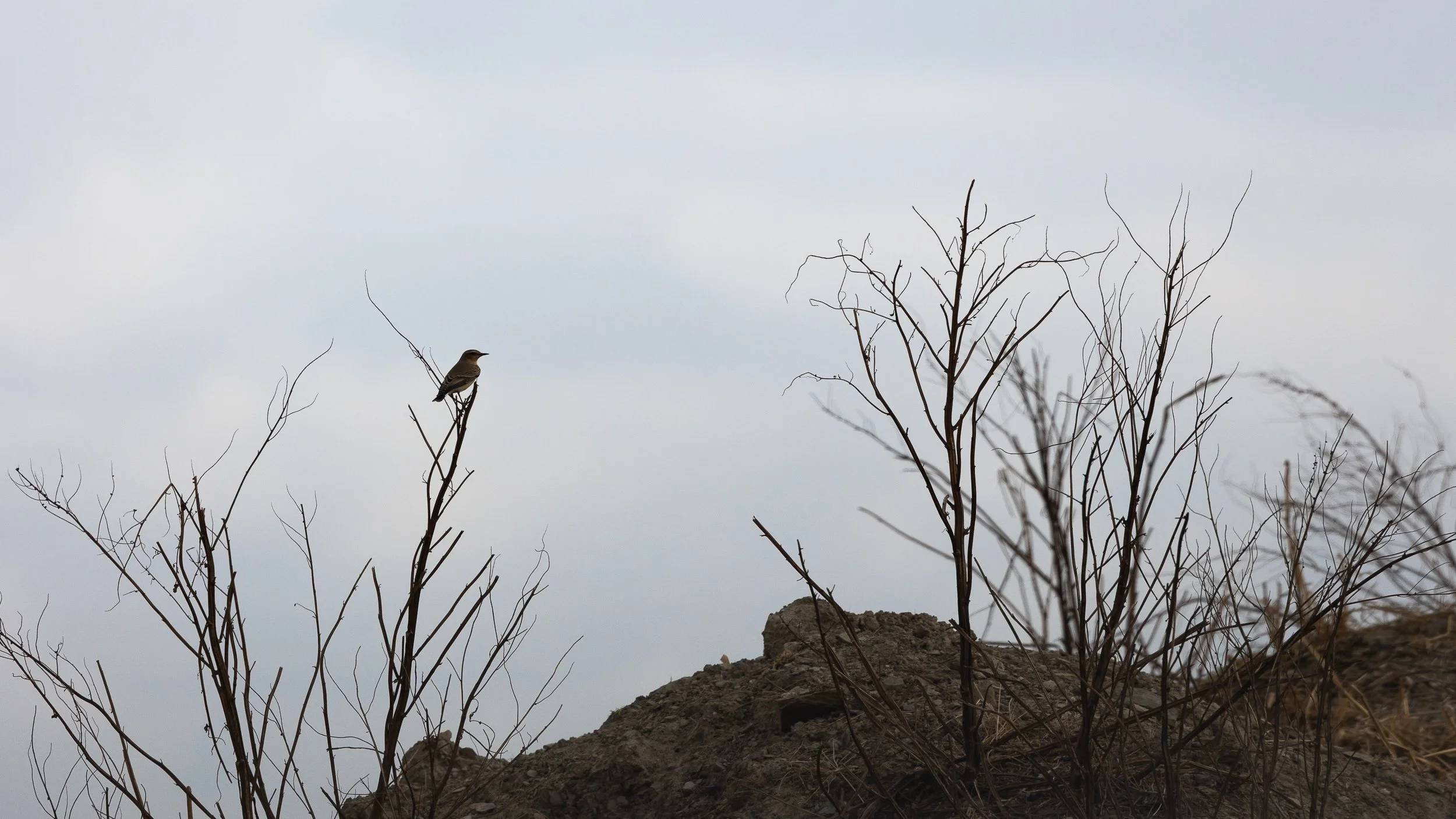
During these stopovers, the birds engage in intense, near-continuous feeding on beetles, ants, and spiders. This rapid fat deposition is critical; it provides the fuel required to cross the Mediterranean Sea and the Sahara Desert in the final legs of their journey south.
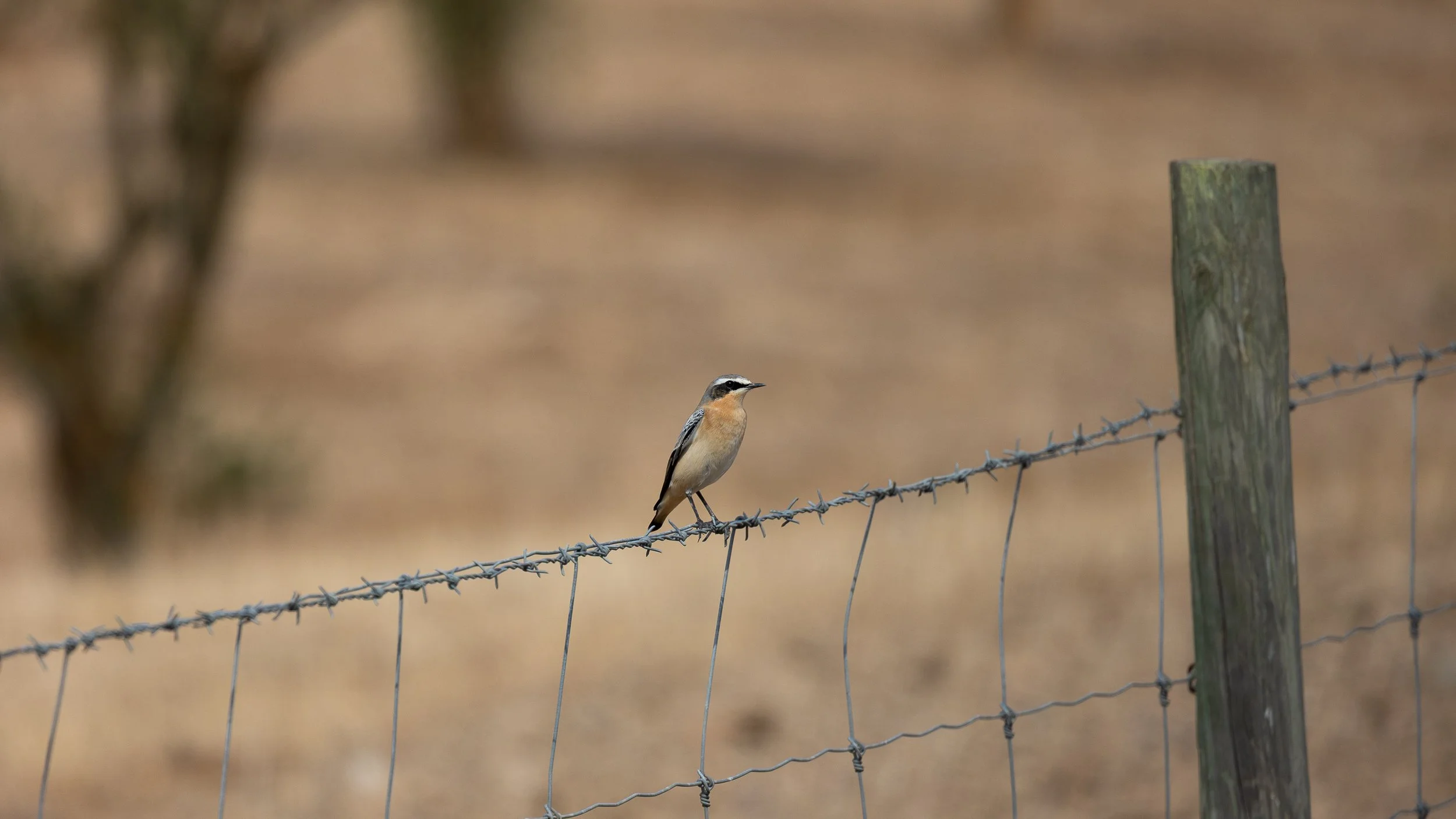
On our last private day trip in Alentejo with Guillaume and Barbara, we must have seen at least 50 Northern Wheaters throughout the day. They were literally everywhere!
If you want to witness that spectacle, drive around the plains of Alentejo in late september / early october, or contact us to book a private tour at this time of the year.
Salva Fauna